

Native apps versus mobile browser play
Selecting a mobile casino in the UK requires balancing interface convenience with strict regulatory compliance. The primary decision hinges on whether you prioritise native application performance or browser-based flexibility. Native apps often deliver faster load times and smoother gameplay, particularly for graphics-heavy slots, but they consume storage and require regular updates. Browser access avoids installation hurdles, allowing immediate entry via secure links, yet it depends heavily on your device’s internet stability and processing power.
Evaluate operators based on their licence status from the Gambling Commission. A valid licence ensures player fund protection and fair game testing. Inspect payment methods for instant deposits and reasonable limits set on withdrawals. Avoid platforms that obscure these details behind lengthy registration forms. Your choice should reflect your usage frequency: occasional players may prefer the low-commitment nature of web play, while high-volume users benefit from app optimisation.
How a phone-billing deposit actually works, step by step
Choose the deposit amount and confirm on the phone bill
A phone-billing deposit adds the chosen amount to the mobile account balance or deducts it from available credit. The player enters the sum on the casino’s payment screen, confirms the request, then authorises it through the network operator. The casino credits the balance once authorisation succeeds, usually within seconds.
Watch the spending cap and network restrictions
Networks often set a daily ceiling on phone-billing deposits, so a large top-up may fail before reaching the casino. Some prepaid plans block the method entirely until credit is topped up separately. Because the charge arrives on the phone bill instead of through a card, reversing it can take longer than cancelling a card payment.
Casino tucan welcome bonus and wagering conditions
wording":[{"paragraph":0,"source":"A phone-billing deposit adds the chosen amount to the mobile account balance or deducts it from available credit.","alternatives":[
Shangri La supports British pounds for UK players. Deposit options include debit cards, bank transfers and e-wallets. The minimum deposit is generally around ten pounds, though this can vary by payment method. Withdrawals are typically paid back to the same method used for deposit where possible. The operator generally does not charge fees for deposits or withdrawals, though third party providers may.
Mobile access
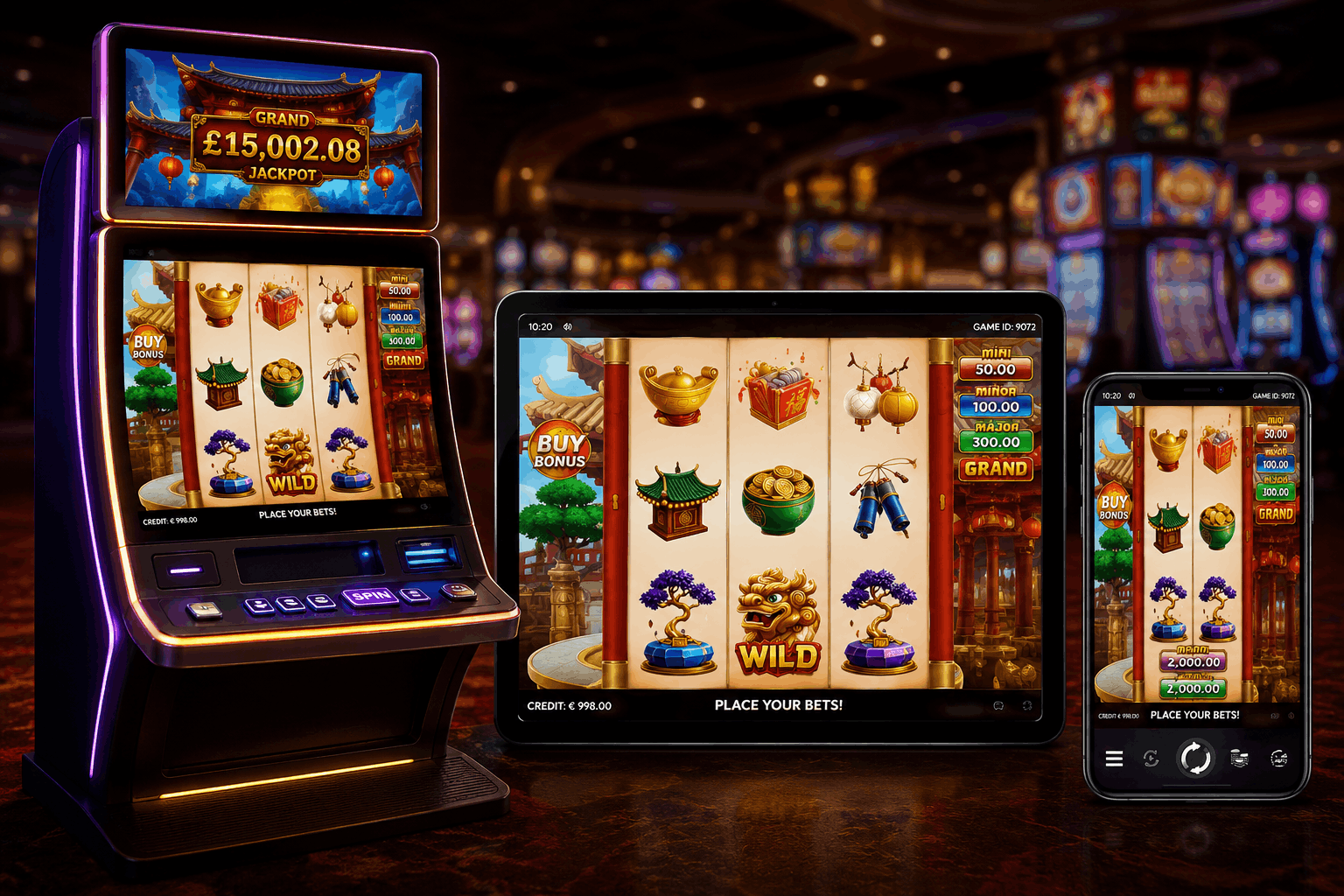
Choosing a mobile betting interface means deciding between a browser session that needs no storage and a native app that can deliver push alerts and quicker tap-through. The distinction matters because the same operator often offers the identical odds and markets on both, so the difference is how the interface behaves instead of what you can bet on.
If you rarely place wagers from your phone, a browser session keeps your device clean and avoids an automatic update cycle that may force a fresh login each time. If you wager several times a week, a dedicated application removes several screen taps and lets you subscribe to notifications about settlement and live offers.
Garrison bet casino | uk identity checks for deposits
| Brand | Details |
|---|---|
| Sisal | Responsive site plus iOS and Android apps with shared login |
| olimp | The platform is optimised for mobile play with responsive design supporting touch navigation. |
| shangri | Fully optimised mobile browser access on iOS and Android with no mandatory download. |
| Bodog | Instant access via iOS/Android browsers without app download |
| Ibet | Accessible through mobile browsers; may offer iOS and Android apps |
The native app is not automatically better on hardware. On a phone with limited memory or an older operating system, the browser session may feel faster and consume less data. Test the app on your own device before assuming it will outperform the site you already know.
Whichever you select, make the choice based on how often you will use it, not on the size of the download icon.
Sisal on mobile devices
Sisal runs its mobile service through a responsive website and separate iOS and Android apps. Both routes share the same account credentials, which means a player can start a session on a phone and continue on a tablet without creating a second profile.
olimp: Mobile access
The UK site is accessible via mobile web browsers on iOS and Android devices without requiring a download.
High roller live casinos | what sets them apart UK
Evolution casino bonus
Shangri La mobile access
Shangri La works through mobile browsers on iOS and Android devices without requiring a download. Players can open the full game library, make deposits, claim bonuses and contact support from a phone or tablet. The interface adapts to smaller screens, so navigation and account functions stay within reach during a short session.
Bodog Dedicated App Features
A dedicated Bodog application exists for smartphones and tablets, providing a streamlined experience optimised for touch interfaces. The app supports faster navigation between sportsbooks and casino games, alongside simplified login procedures using saved credentials.
Ibet mobile access
Ibet is accessible through mobile browsers and may offer dedicated apps for iOS and Android. Opening the site on a phone reveals which option is available.
Fees, daily limits and hidden charges to check before confirming a payment
The first thing to check is not the casino’s banner but the two documents that actually govern the charge: the payment terms on the operator’s site and the pricing schedule published by the person or company collecting the money. A fee listed on the site describes what the casino charges for moving funds onto the account. The charges in the top-up provider’s terms describe what they charge for using a particular network or account. These two charges apply independently and are not necessarily the same. A top-up through a mobile-billing partner, for example, is a transaction on the phone bill or a prepaid balance instead of a bank transfer, and the billing partner’s rates determine whether a small administration charge or a percentage deduction applies before the casino receives the funds. The amount credited to the casino account can therefore be lower than the amount taken from the phone bill, even when the operator advertises no deposit fee.
Daily and monthly limits are the second condition to inspect, because they change how much can be spent in one session and how often a deposit can be attempted. A low daily limit on a mobile-billing line makes it unsuitable for a high-stakes session but works well for setting a soft spending boundary. The limit set by the billing partner is independent of any deposit cap the casino applies to its own account, so a player can be constrained by either one. When a transaction is declined, the cause is usually one of these limits instead of a problem with the payment method itself. Currency conversion adds a further cost whenever the account currency differs from the currency in which the top-up is billed; the exchange rate and any conversion margin are set by the billing partner or card scheme, not by the casino, and they sit outside any advertised fee.
Before confirming the payment, open the provider’s pricing schedule or the card scheme’s currency rules, locate the entry for the relevant transaction type, and compare the stated amount against the amount that will actually appear on the bill or statement. Treat any worked example as a hypothetical illustration only: if a £10 top-up were subject to a 5% administration charge, the casino would receive £9.50, but the specific percentage and whether it applies at all depend on the provider’s current schedule, which changes without notice.
Online casino bonuses | wagering, weighting and caps
Withdrawal timing at Olimp splits by method: e-wallets typically clear in 0 to 24 hours once approved, debit cards take 1 to 5 working days, and bank transfers 2 to 6. None of those windows includes an operator processing charge, yet the receiving side can still cost money. Some e-wallets deduct a fee for incoming transfers or for converting sterling into another currency, and banks occasionally charge for inbound payments. A first withdrawal waits on identity verification before funds are released, which delays the payment without adding to it. Matching the payout route to an account that holds GBP keeps the amount received close to the amount requested.
Why withdrawals cannot always return to the same method used to the operator in
The money trail that stops at the phone bill
A deposit made through your mobile phone bill does not hold a spendable balance that a casino can send back to. The operator pays your network provider on your behalf and adds that cost to your monthly invoice or deducts it from your pay-as-you-go credit. Because the funds never touched an account you control, there is no balance for the casino to credit when you request a withdrawal, and the operator will not return money to a channel that does not store cash. You should therefore expect the winnings to be sent through a different route that does hold an addressable balance, usually a card or a bank transfer.
Pay by phone bill casino sky mobile | mobile browser
This is not a penalty or a delay designed to keep your winnings. It is a consequence of how the transaction is structured: the mobile billing line carries a payment request only, not a wallet. Some operators offer an alternative top-up method alongside phone billing precisely so that a payout path exists, while others require you to add a card or bank account before cashing out.
How the casino chooses the replacement route
When a withdrawal cannot go back to the original pay-in method, the site applies a routing rule and then verifies the new destination against the identity you submitted. A card withdrawal normally returns to the same card used to deposit, which is a short, machine-checkable link. A bank transfer requires your sort code and account number and may take longer because the casino must reconcile your name with the bank details on file.
The important condition is not the route itself but the state of your account. Until identity and address verification are complete, no payment — regardless of destination — will clear. If you deposit by phone and then try to withdraw immediately, the most likely outcome is a verification hold instead of a failed payment.
Plan for it. Add a card or bank account at the start of play, keep the details current, and treat the phone bill as a convenient deposit method only. If the casino returns funds by card, remember that a card can only receive money if the account remains open and active; a closed card means the transfer bounces and you must provide a replacement account.
Sisal processes withdrawals only after identity verification is complete, and the speed of the payout depends on the payment method selected. Debit cards and e-wallets generally complete faster than bank transfers, while unverified accounts remain blocked until the required documents are accepted. Currency is settled in GBP, so no conversion step is added for UK customers.
UK-specific rules for phone the operator and card the operator
Age and identity checks before a top-up
UK gambling law requires the casino to verify the player’s age and identity before money can move. A phone-billing deposit or a card payment does not bypass this check. The operator must confirm that the person paying is at least eighteen and that the name on the payment method matches the account holder. This can mean uploading an identity document, proving address, or passing an automated identity match. If the check is not complete, deposits are blocked even when the payment method itself works.
Spending checks and payment limits
For phone billing, the mobile network often sets its own cap on how much can be charged to a monthly bill, and the casino may apply a lower daily or weekly deposit limit. Card deposits rely on the card issuer’s authorisation, which can decline gambling transactions independently of the casino’s rules. UK rules also require affordability checks once spending reaches certain thresholds, meaning the operator may ask for proof of funds before allowing larger top-ups. These controls exist to slow down losses, not to speed up payments.
Frequently asked questions about paying in a mobile casino
Are mobile casino games fair compared to desktop versions?
Yes, reputable mobile casinos use the same Random Number Generator (RNG) technology across all platforms. Games certified for fairness on desktop operate identically on mobile browsers or apps, ensuring consistent odds and outcomes regardless of the device used.
What are the wagering requirements for mobile bonuses?
Wagering requirements dictate how much you must bet before withdrawing bonus funds. Typically, these terms require playing through the bonus amount a specific number of times, often excluding certain games or contributing only partially to the total. Always review the specific conditions attached to any offer claimed on your mobile device.
How do I check withdrawal limits on my phone?
Withdrawal limits vary by operator and payment method. You can usually find this information in the cashier section or the account settings menu within the app or mobile site. Look for daily, weekly, or monthly caps that apply specifically to withdrawals initiated from mobile devices.
Set a spending limit before players press top up
Top-ups via phone billing add to your mobile bill, so the money comes straight out of your next statement instead of your bank balance. That delay makes it easy to lose track of how much has gone through, which is why setting a hard cap before players press the button matters. A gambling operator should offer deposit limits you can set yourself, but not every site applies them automatically. Choose a figure you can afford to lose on a bad week and stick to it, treating any extra spend as a mistake instead of a recoverable loss.
UK players must be 18 or over and the site should hold a Gambling Commission licence. Look for a visible GAMSTOP link if you want to block yourself across all licensed operators, and GamCare or BeGambleAware for support. The National Gambling Helpline, 0808 8020 133, is available if spending gets out of control. Chasing losses is the fastest way to break any limit you have set, so stop before players try to win it back.